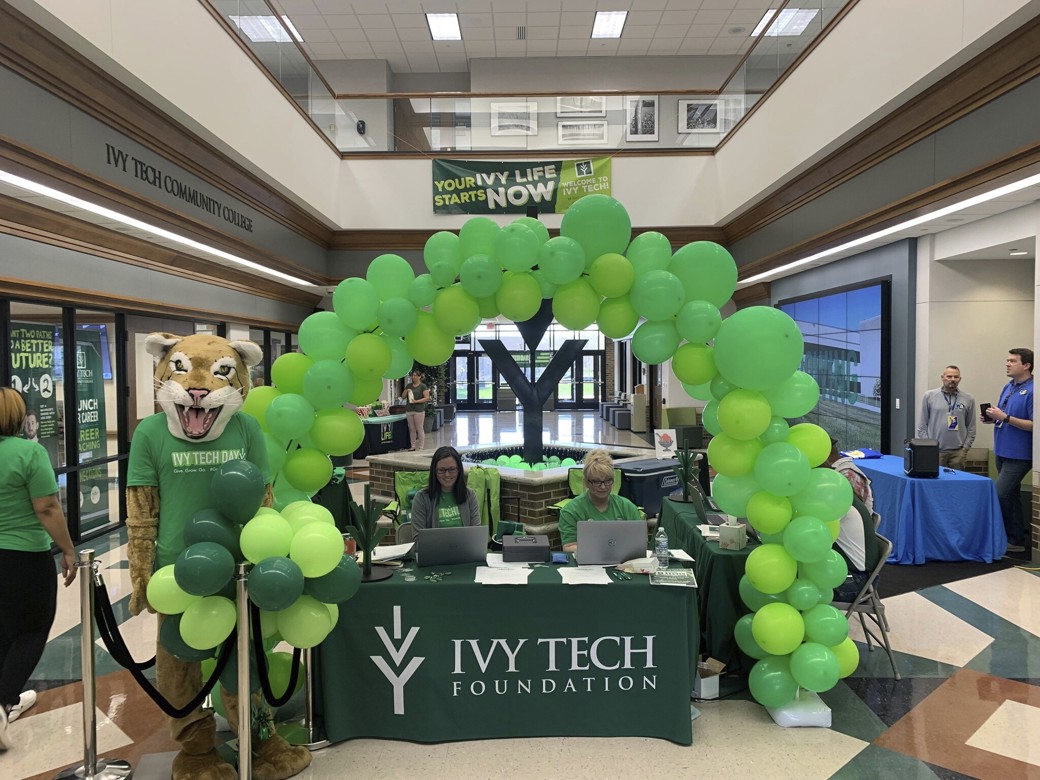
Ivy Tech in Indiana isn’t just a community college—it’s a pipeline. A direct route from high school, unemployment, or career stagnation straight into high-demand jobs across the state. With over 70 locations, personalized support, and programs built with employers, Ivy Tech has quietly become Indiana’s most accessible gateway to skilled employment and further education.
For thousands of Hoosiers each year, Ivy Tech is the answer when traditional four-year college doesn’t fit—whether due to cost, time, or uncertainty about the future. It’s where certified nursing assistants train alongside future cybersecurity analysts, where welders earn credentials in months, and where adult learners balance real-life schedules with real career outcomes.
This is education built for the real world, not the ivory tower.
What Is Ivy Tech in Indiana?
Ivy Tech Community College of Indiana is the largest singly accredited community college system in the United States. Established in 1963 as a technical training provider, it evolved into a full-service community college offering associate degrees, certificate programs, and workforce training.
Today, Ivy Tech operates campuses in cities and towns from Fort Wayne to Evansville, South Bend to Indianapolis. Its mission is clear: provide accessible, affordable, and relevant education aligned with Indiana’s economic needs.
Unlike traditional universities focused on broad liberal arts or research, Ivy Tech emphasizes applied learning. Programs are designed in partnership with local industries—hospitals, manufacturers, tech firms, and public agencies—ensuring graduates enter the workforce with skills employers actually need.
This practical approach makes Ivy Tech a linchpin in Indiana’s workforce development strategy.
A Decentralized Model
With Local Impact
One of Ivy Tech’s strengths is its decentralized structure. While it’s a single state institution, it’s organized into 23 academic service areas, each serving a specific region with tailored programming.
For example: - The Indianapolis campus offers robust health sciences and IT programs, responding to demand from major hospitals and tech startups. - In Terre Haute, advanced manufacturing and logistics training align with regional industrial growth. - The Northeast region (Fort Wayne) focuses on engineering tech, computer-aided design, and precision machining.
This regional responsiveness means students aren’t locked into a one-size-fits-all curriculum. Instead, they gain skills aligned with local job markets—increasing employment rates after graduation.
Why Choose Ivy Tech in Indiana? Many Indiana students start at Ivy Tech for practical reasons. Others discover its value after hitting roadblocks elsewhere. Here’s why it stands out:
Lower Cost, Lower Risk
Tuition at Ivy Tech is roughly one-third the cost of Indiana’s public four-year universities. For the 2023–2024 academic year, in-state tuition averaged $4,340 per year for full-time study—compared to over $10,000 at Indiana University or Purdue.
This makes Ivy Tech ideal for students who: - Want to minimize student debt - Are unsure about their career path - Need to test the waters before transferring
With lower upfront costs, students can explore fields like business, IT, or healthcare without the financial pressure of a four-year commitment.
Faster Time to Completion
Most Ivy Tech programs are designed to be completed in two years or less. Many certificates take just a few months.
For example: - Medical Coding Certificate: 9 months - Welding Technology Diploma: 12 months - Associate of Science in Computer Science: 2 years
This speed-to-credential is crucial for career changers, single parents, or veterans re-entering the workforce.
Seamless Transfer Agreements
A common misconception is that community college limits future options. At Ivy Tech, the opposite is true.

Through statewide articulation agreements—especially the 2+2 Transfer Pathways—Ivy Tech graduates can transfer credits directly into bachelor’s programs at institutions like: - Indiana University - Purdue University - University of Southern Indiana - Indiana State University
These pathways ensure prerequisites are met, credits transfer efficiently, and students avoid retaking classes.
Example: A student earns an Associate of Arts (AA) at Ivy Tech, then transfers into IU Bloomington’s School of Public Health—often saving $20,000+ in tuition.
In-Demand Programs at Ivy Tech
Ivy Tech aligns its curriculum with Indiana’s workforce gaps. Each year, the college analyzes regional job data to launch or expand programs in high-growth areas.
Here are five of the most impactful:
1. Nursing and Allied Health
Ivy Tech is one of Indiana’s top producers of nursing graduates. Its Associate Degree in Nursing (ADN) program prepares students for the NCLEX-RN exam and entry-level roles in hospitals, clinics, and long-term care.
Other healthcare programs include: - Medical Assistant - Pharmacy Technician - Respiratory Therapy - Radiography
Many programs include clinical rotations at partner hospitals, giving students real patient experience before graduation.
2. Information Technology
With tech roles growing statewide, Ivy Tech offers hands-on IT training in: - Cybersecurity - Network Administration - Cloud Computing - Software Development
Students gain access to virtual labs, earn industry certifications (like CompTIA A+ or AWS Cloud Practitioner), and participate in internships with Indiana-based tech firms.
3. Advanced Manufacturing and Skilled Trades
Indiana’s manufacturing sector employs over 500,000 people. Ivy Tech trains the next generation of technicians through programs in: - CNC Machining - Industrial Maintenance - Welding - Robotics and Automation
Students work with real industrial equipment, often earning OSHA and NIMS certifications before job placement.
4. Business and Professional Studies For students aiming for management, entrepreneurship, or corporate roles, Ivy Tech offers: - Associate of Science in Business - Accounting Technology - Digital Marketing - Supply Chain Management
These programs emphasize practical skills: budgeting, CRM software, social media strategy, and project management.
5. Public Safety and Human Services
Ivy Tech trains first responders and social workers through: - Criminal Justice - Fire Science - Early Childhood Education - Addiction Counseling
Graduates often land jobs with city agencies, schools, or nonprofit organizations—many while still completing their degrees.
Support Services That Keep Students on Track
Community college dropout rates are a national problem. At Ivy Tech, retention is prioritized through structured support systems.
Academic Advisors
with Industry Experience
Every student is assigned an academic advisor—many of whom have worked in the fields they advise on. An advisor in the IT department might have managed networks for a decade. A nursing advisor may have been a clinical supervisor.
This real-world insight helps students make informed choices about courses, certifications, and job placement.
Career Coaching and Job Placement
Ivy Tech’s career services go beyond resume reviews. The college hosts: - Employer networking events - On-campus job fairs - Mock interviews with hiring managers - Apprenticeship matching
In 2023, over 60% of surveyed graduates reported landing jobs in their field within six months—many through Ivy Tech’s employer partnerships.
Flexible Learning Options
Ivy Tech offers courses in multiple formats: - On-campus - Online - Hybrid - Evening and weekend classes
This flexibility is critical for working adults. A line worker at a manufacturing plant can take online classes after shift work. A single parent can attend evening classes in Fort Wayne while using on-campus childcare.
Real-World Impact: Who Benefits From Ivy Tech?
Ivy Tech serves a diverse population. Its value isn’t theoretical—it’s measured in promotions, paychecks, and personal growth.
Adult Learners Rebuilding Careers

Take Maria from Indianapolis: After a retail job was eliminated, she enrolled in Ivy Tech’s Medical Coding program. In eight months, she earned a certificate, passed her certification exam, and started a remote job earning $52,000/year—double her previous income.
Her story is common. Ivy Tech’s adult enrollment has grown steadily, driven by upskilling programs and employer tuition assistance.
High School Students Getting a Head Start
Through Dual Credit and Dual Enrollment, Indiana high school juniors and seniors can take Ivy Tech classes—earning college credit at little or no cost.
A student in Columbus North High School might take College Algebra and Introduction to Computing at Ivy Tech’s Columbus campus, completing a full semester of college before graduation.
This head start reduces college time and cost, especially when transferring to a four-year school.
Veterans and Military Families
Ivy Tech is a Military-Friendly School, offering dedicated support for veterans using GI Bill® benefits. Programs in IT, healthcare, and skilled trades align well with military experience.
One veteran in Evansville transitioned from Army logistics to an Associate in Supply Chain Management—then landed a distribution supervisor role at a Fortune 500 company.
Limitations and Considerations
Ivy Tech isn’t perfect. Recognizing its limitations helps students make smart decisions.
Not for Every Major
If you want to become a chemist, architect, or attorney, Ivy Tech isn’t the endpoint. It doesn’t offer bachelor’s degrees in most fields. Students must plan to transfer.
However, Ivy Tech does partner with universities on select bachelor’s programs—like the Bachelor of Science in Organizational Leadership, offered in collaboration with Indiana University.
Variable Program Availability
Not all programs are available at every campus. A student in a rural area might need to travel or take online classes for certain courses.
Planning ahead with an advisor is essential.
Competitive Admissions in High-Demand Fields
Programs like Nursing and Radiography have selective admissions. Applicants often need: - Minimum GPA - Background checks - Health clearances - Entrance exams
Students should apply early and meet all prerequisites to improve chances.
How to Get Started at Ivy Tech
Enrolling at Ivy Tech is straightforward—but preparation increases success.
Step 1: Attend an Orientation
All new students must complete an orientation, either online or in person. It covers academic policies, support services, and next steps.
Step 2: Take Placement Assessments
Ivy Tech uses Accuplacer or ACT/SAT scores to place students in appropriate English and math courses. Students can prepare with free online resources or retake assessments if needed.
Step 3: Apply for Financial Aid
Over 70% of Ivy Tech students receive financial aid. Completing the FAFSA is critical. Indiana residents may also qualify for: - Frank O’Bannon Grant - 21st Century Scholars - Workforce Ready Grant (covers tuition for high-demand fields)
The Workforce Ready Grant is a game-changer—it covers full tuition for eligible students in nursing, IT, advanced manufacturing, and more.
Step 4: Register for Classes
With an advisor’s help, students select courses based on their program and schedule. Early registration increases access to preferred times and formats.
Final Thoughts: Ivy Tech as a Strategic Move
Ivy Tech in Indiana is more than a fallback option. It’s a strategic entry point into careers that pay well, grow fast, and serve real community needs.
For students who value affordability, speed, and relevance, Ivy Tech delivers. It’s not about prestige—it’s about results.
Whether you’re a recent high school grad, a working adult, or a veteran, Ivy Tech offers a path forward. The key is clarity: know your goals, use the support systems, and align your education with Indiana’s workforce demands.
Start at Ivy Tech. Finish with a career.
Frequently Asked Questions
What is the acceptance rate at Ivy Tech in Indiana? Ivy Tech has an open admissions policy. Most applicants with a high school diploma or GED are accepted.
Can I transfer from Ivy Tech to a four-year university? Yes. Ivy Tech has guaranteed transfer agreements with over 30 Indiana colleges and universities.
How much does Ivy Tech cost per semester? For full-time students, tuition averages $2,170 per semester for in-state residents.
Does Ivy Tech offer online classes? Yes. Ivy Tech provides fully online programs in fields like business, IT, and general studies.
Is financial aid available at Ivy Tech? Yes. Most students qualify for federal aid, state grants, or workforce-specific scholarships.
What are the most popular majors at Ivy Tech? Nursing, Business, Information Technology, and Advanced Manufacturing are top programs.
Can high school students take Ivy Tech classes? Yes. Through Dual Enrollment, Indiana high school students can earn free college credit.
FAQ
What should you look for in Ivy Tech in Indiana: Your Path to Affordable, Practical Education? Focus on relevance, practical value, and how well the solution matches real user intent.
Is Ivy Tech in Indiana: Your Path to Affordable, Practical Education suitable for beginners? That depends on the workflow, but a clear step-by-step approach usually makes it easier to start.
How do you compare options around Ivy Tech in Indiana: Your Path to Affordable, Practical Education? Compare features, trust signals, limitations, pricing, and ease of implementation.
What mistakes should you avoid? Avoid generic choices, weak validation, and decisions based only on marketing claims.
What is the next best step? Shortlist the most relevant options, validate them quickly, and refine from real-world results.